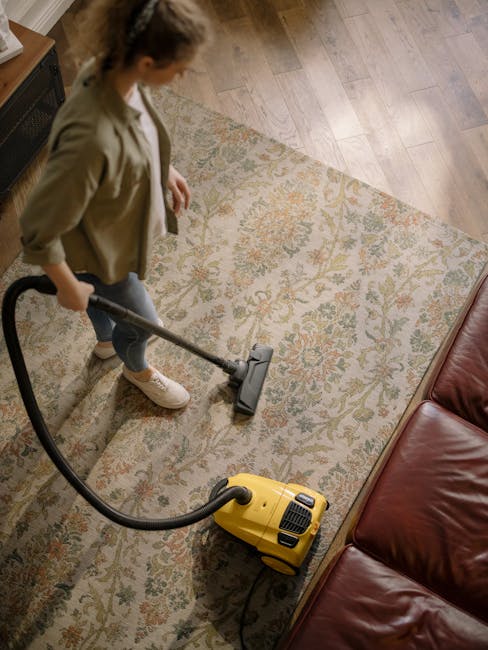
Brent Cross carpet cleaning guide for busy shops

If you run a shop in or around Brent Cross, you already know how quickly carpets take a beating. Mud gets walked in on rainy mornings, coffee splashes near the till, and by Friday the entrance mat somehow looks like it has lived a harder life than the staff. This Brent Cross carpet cleaning guide for busy shops is here to make the whole job feel less disruptive and much more manageable. It covers what matters, how the process works, what to avoid, and how to plan cleaning around real trading hours without turning your store into a wet obstacle course.
Truth be told, most shop owners do not need a lecture on why carpets get dirty. They need a practical plan. So let's keep this grounded, useful, and focused on the realities of retail life in Brent Cross: footfall, presentation, safety, and time.
Why Brent Cross carpet cleaning guide for busy shops Matters
Busy shops live or die on first impressions. A clean floor does more than look nice; it quietly tells people that the whole business is cared for. In a retail setting, customers notice grubby edges, flattened pile, dull traffic lanes, and those darker patches near entrances where wet shoes keep landing. Staff notice too, even if they do not say it out loud.
The problem is that regular vacuuming only goes so far. It removes loose dust and crumbs, but it will not properly tackle embedded grit, body oils, spill marks, salt residue from winter weather, or lingering smells. Left too long, this build-up can make carpets look older than they are, and once that happens, the shop can feel tired even if the stock is sharp and the display is immaculate.
There is also a practical side. Dirty carpets can become a slip concern if spills are not handled quickly, and they can hold on to moisture and odours in a way that makes the whole front of house feel a bit off. Not dramatic, just annoying. And in retail, annoying adds up.
For shops that want a broader cleaning plan, it often makes sense to think beyond the floor alone. Soft furnishings, display seating, and window dressings can all affect how fresh the space feels, which is why some businesses pair carpet care with professional upholstery cleaning, curtain cleaning, or targeted stain removal support.
How Brent Cross carpet cleaning guide for busy shops Works
For a busy shop, carpet cleaning should be planned around trading patterns, not the other way around. The process usually starts with a walk-through of the space, looking at entrances, tills, fitting rooms, stockroom thresholds, and any areas that see constant movement. These high-use zones almost always need more attention than the rest of the shop.
From there, the cleaner decides on a suitable method. In many commercial settings, hot water extraction or steam-based cleaning is used where the carpet type and drying time allow it. In other cases, a lower-moisture method may be the better fit, especially if the store cannot afford long downtime. There is no one-size-fits-all answer, which is a relief really, because retail spaces are rarely tidy little boxes.
A proper cleaning plan normally includes:
- pre-inspection of fibre type and wear patterns
- spot treatment for visible marks and edge staining
- deep cleaning of traffic lanes and entrance areas
- attention to odour-prone or moisture-sensitive sections
- drying and reopening advice
If the carpets are part of a larger commercial maintenance plan, it may be worth reviewing broader commercial carpet cleaning options, along with the general carpet cleaning service information and the more targeted steam carpet cleaning approach where appropriate.
The best results usually come from a calm, staged process. Not rushed. Not guessed. A bit of structure saves a lot of hassle later.
Key Benefits and Practical Advantages
There are several reasons shop managers make carpet care a routine rather than an emergency fix.
- Better customer experience: A cleaner shop feels brighter, fresher, and more reliable.
- Longer carpet life: Removing grit early reduces abrasion and fibre damage.
- Less odour build-up: Regular treatment helps keep food spills, damp, and footfall smells under control.
- Lower risk of visible staining: Fresh marks are easier to manage than old, set-in ones.
- More professional staff environment: Clean floors make the whole day feel less grim, especially during wet weather.
- More flexible maintenance planning: Once a schedule is set, deep cleaning becomes predictable rather than disruptive.
One of the quiet benefits people overlook is confidence. When the floor looks clean, managers tend to worry less about the front of house. That sounds small, but in a busy shop it matters. You already have enough to think about without wondering whether the carpet in aisle two is putting customers off.
Expert summary: For busy retail spaces, the real goal is not just a cleaner carpet for one day. It is a floor care routine that protects appearance, reduces disruption, and makes the shop easier to keep presentable between deep cleans.
Who This Is For and When It Makes Sense
This guide is aimed at shops that see steady customer traffic and cannot easily shut down for long cleaning jobs. Think fashion retailers, convenience stores, salons, gift shops, pharmacies, small showrooms, mobile phone shops, and cafe-style retail spaces where the floor gets the full public treatment every day.
It is especially relevant if your shop has any of the following:
- entrance carpet or fitted commercial carpet in the customer zone
- visible traffic lanes that keep reappearing after vacuuming
- recurring spills from drinks, stock handling, or weather-related dirt
- limited back-of-house storage for cleaning equipment
- a need to reopen fast after cleaning
It also makes sense if you are preparing for a change in season. Autumn and winter tend to bring wetter shoes, more grit, and more tracked-in debris. In spring, the issue can be pollen, dust, and general dullness. Different mess, same headache.
If your business shares space with other soft surfaces, such as waiting areas or fitting rooms, it can be useful to coordinate carpet cleaning with sofa cleaning or wider upholstery cleaning so the whole area feels consistent rather than half-finished.
Step-by-Step Guidance
Here is a practical way to approach carpet cleaning in a busy shop without turning the day into chaos.
- Map the pressure points. Start with entrances, tills, queue areas, stockroom doors, and any walkway that sees constant movement. These are the places that usually need the most work.
- Pick the right time window. Late evening, early morning, or a quiet trading day often works best. The point is to keep customers and wet flooring apart. Obvious, yes, but easy to forget when the week gets hectic.
- Clear the area properly. Move portable stands, mats, baskets, and loose items so the carpet is reachable. If you clean around clutter, you will miss spots. Every time.
- Vacuum first and thoroughly. Dry soil is easier to remove before any liquid cleaning starts. This also prevents grit from being pushed deeper into the pile.
- Identify stains before treatment. Coffee, food, ink, grease, and muddy marks need different handling. A one-bottle-fits-all approach is rarely enough.
- Apply spot treatment with care. Test in a discreet area if needed, especially on older carpets or mixed fibres. Better safe than sorry, as they say for a reason.
- Clean in sections. That keeps the operation controlled and makes it easier to manage drying and access routes.
- Control moisture and airflow. Open internal doors where possible, use ventilation sensibly, and keep customers away until the carpet is ready.
- Inspect the finish. Check edges, corners, under counters, and the darkest traffic lanes. That final check is where a decent clean becomes a proper one.
- Plan the next clean before everyone forgets. Busy shops do better with a routine than with random rescue cleaning.
A simple rule helps: if a section sees shoes, spills, or basket traffic all day, it needs more frequent attention than the rest of the floor. No surprise there, but it is easy to miss in the rush.
Expert Tips for Better Results
Small improvements make a big difference in a retail environment. A good carpet clean is not just about the machine or the chemistry. It is about timing, access, drying, and sensible maintenance between visits.
- Use entrance mats properly. A decent mat system can reduce how much dirt reaches the carpet in the first place. But only if the mats are cleaned too.
- Spot clean spills quickly. The first ten minutes matter more than most people think. Once a spill settles, the job gets harder.
- Rotate attention to high-wear areas. Entrances and queues may need more frequent cleaning than the rest of the shop.
- Watch the drying plan. The job is not really finished until the floor is safe to walk on again.
- Choose methods by carpet type. Loop pile, cut pile, and blended fibres do not all respond the same way.
- Keep records. Even a basic log of dates, problem areas, and stains helps you spot patterns over time.
One practical tip from the real world: if a cleaning slot falls on a delivery day, something will probably go wrong. Maybe not catastrophic, just enough to make everybody sigh. So if you can, avoid stacking too many moving parts into the same window.
For areas where stains are the main issue rather than overall soil load, a combined approach with targeted stain removal support can be more efficient than repeated general cleaning alone.
Common Mistakes to Avoid
Busy shops often make the same few mistakes, usually because nobody has time to stop and think. Fair enough. But these are worth avoiding if you want better results and less disruption.
- Leaving cleaning too long: Dirt builds up in layers, and the carpet looks worse than it needs to.
- Over-wetting the floor: Too much moisture slows reopening and can leave a damp smell.
- Ignoring the edges: Corners and skirting lines trap debris and often reveal poor workmanship.
- Using the wrong product: Harsh or unsuitable cleaners can leave residue or damage fibres.
- Cleaning during peak footfall: This creates safety issues and usually interrupts sales.
- Not planning drying time: A freshly cleaned carpet that still feels tacky is not much use to anyone.
Another one: trying to solve every carpet problem with a quick vacuum and a hopeful face. It would be nice if that worked. It usually doesn't.
Tools, Resources and Recommendations
You do not need a warehouse full of gear, but a few basics make life easier for any shop team managing carpet care between professional visits.
- Commercial vacuum cleaner: Useful for daily or near-daily maintenance.
- Entrance mats: Helps trap grit before it reaches the main carpet.
- Spot cleaning kit: Handy for fresh spills, provided staff know how to use it properly.
- Wet-floor signage: Essential wherever there is still moisture or a temporary slip concern.
- Protective gloves and cloths: Simple, but practical for quick cleanup jobs.
If you are comparing service options, the most useful starting points are usually pricing and quotes, the company's insurance and safety information, and the published health and safety policy. Those pages help you judge whether a provider is organised enough for a commercial setting, not just technically capable.
You may also want to review practical details such as payment and security and the terms and conditions before committing to a booking. A five-minute read now can save a back-and-forth later.
Law, Compliance, Standards, or Best Practice
For UK shops, carpet cleaning is not usually about one dramatic legal rule. It is more about everyday duty of care, sensible risk management, and making sure customers and staff can move around safely. In practice, that means keeping floors reasonably clean, managing wet areas properly, and not leaving avoidable hazards in public spaces.
From a best-practice point of view, a shop should be able to show that it has thought about:
- slip risks during and after cleaning
- safe access while work is underway
- ventilation and drying time
- staff awareness around spill response
- contractor safety, insurance, and site access
If you are responsible for a retail unit, it is also sensible to keep any supplier communication and cleaning arrangements clear. That is not paperwork for the sake of it. It just makes the whole process smoother if there is ever a question about timing, access, or responsibility.
For businesses that care about the wider picture, the company's recycling and sustainability approach may also matter, especially where cleaning routines involve regular waste, consumables, or product choices. And if a supplier's working practices matter to your brand, the modern slavery statement gives another useful trust signal. Slightly formal, yes. Still worth checking.
Options, Methods, or Comparison Table
Not every shop needs the same cleaning method. The best choice depends on carpet type, traffic level, opening hours, and how quickly the floor must be used again.
| Method | Best for | Strengths | Trade-offs |
|---|---|---|---|
| Steam or hot water extraction | Deep soil, traffic lanes, larger retail areas | Strong clean, good for embedded dirt and general refresh | Longer drying time if ventilation is poor |
| Low-moisture cleaning | Shops that need faster reopening | Quicker turnaround, less interruption | May need more frequent maintenance |
| Targeted stain treatment | Fresh spill marks and isolated problem spots | Efficient for small issues, limits unnecessary cleaning | Not enough on its own for heavy overall soil |
| Routine vacuuming plus maintenance care | Daily shop upkeep between professional cleans | Cost-effective and simple to manage | Will not remove deep-down grime |
In many busy shops, the smartest answer is a mix. For example, daily vacuuming, occasional spot treatment, and scheduled deep cleaning every so often. Not glamorous. Very effective.
Case Study or Real-World Example
Imagine a compact Brent Cross fashion shop with a main entrance, a queue area near the till, and carpet across most of the public floor. The team notices that the area by the door keeps turning grey before the rest of the carpet does. On rainy days, the problem gets worse. Customers coming in with damp shoes leave a faint smell, and the shop starts to look tired by midweek.
The first fix is not complicated. They move the cleaning slot to the end of trading, clear movable display stands, and focus the work on the entrance lane and till area. A professional clean handles the embedded dirt, while staff put a better entrance mat routine in place and start spotting spills sooner. The difference is not magical, but it is noticeable. By the next week the floor no longer drags the room down.
That kind of result is realistic for a lot of shops. No drama, no giant overhaul, just a better routine and a floor that stops shouting for attention.
Practical Checklist
Use this before a scheduled clean or when deciding whether your shop needs one soon.
- Have the busiest carpet areas been identified?
- Is the cleaning scheduled outside the busiest trading period?
- Are all movable items cleared from the work area?
- Has the carpet type been considered before choosing a method?
- Are fresh stains marked for treatment first?
- Is there a clear drying and reopening plan?
- Have staff been told which areas are off limits during cleaning?
- Are entrance mats clean and in the right place?
- Have you checked whether extra services, such as rug cleaning or pet stain odour removal, are relevant to your premises?
- Have you saved notes for the next maintenance cycle?
If you can tick most of those boxes, you are in a good place. If not, no panic. It just means the carpet needs a more organised plan.
Get a free quote today and see how much you can save.
Conclusion
A busy shop carpet does not need to be perfect every day. It just needs a system that keeps it presentable, safe, and manageable. That is the real value of a Brent Cross carpet cleaning guide for busy shops: it turns a messy, easily postponed job into something predictable and practical.
When you plan around footfall, choose the right method, and keep up with light maintenance, the whole shop feels better. Customers notice. Staff notice. And you spend less time firefighting small floor issues that should never have become big ones in the first place.
Take it one sensible step at a time, and the job becomes much easier. Honestly, that is usually how the best retail routines work.
Frequently Asked Questions
How often should a busy shop in Brent Cross clean its carpets?
It depends on footfall, carpet type, and how much dirt comes in from outside. High-traffic shops often need daily vacuuming and periodic deep cleaning, while lighter-use areas may need less frequent attention.
What is the best carpet cleaning method for a shop that cannot close for long?
Low-moisture methods are often considered when reopening quickly matters most, but the right answer still depends on the carpet itself and the level of soiling. Sometimes a deeper clean after hours is the better choice.
Can carpet cleaning be done outside shop hours?
Yes, and for busy retail spaces that is often the most practical option. Evening or early-morning scheduling helps avoid disruption and keeps customers away from wet or restricted areas.
Will carpet cleaning remove old stains completely?
Not always. Fresh stains are usually easier to remove than older, set-in marks. Some stains fade significantly, while others may only improve. Fibre type, spill type, and how long the mark has been there all matter.
Is steam cleaning safe for all shop carpets?
No, not automatically. Steam or hot water extraction can work very well on suitable carpets, but not every fibre or backing is a good match. A proper inspection should come first.
How long does a shop carpet take to dry?
Drying time varies depending on the cleaning method, ventilation, pile depth, and room temperature. Good airflow helps a lot. A cleaner should be able to give a realistic reopening estimate before work begins.
Do I need to move all the fixtures before cleaning?
Not always every fixture, but movable items, display stands, baskets, and anything blocking access should be cleared where possible. The cleaner can then reach the high-wear areas properly, which makes a big difference.
What should staff do if a spill happens during trading hours?
They should respond quickly, follow the shop's spill procedure, and keep customers away from the affected area until it is safe. Fast action usually makes stain removal easier and reduces slip risk.
How do I choose between general carpet cleaning and targeted stain treatment?
If the whole floor looks tired or dirty, general carpet cleaning is usually the better option. If there is just one problem spot, targeted stain treatment may be enough. Many shops end up using both over time.
Can carpet cleaning help reduce odours in a retail shop?
Yes, especially where smells are trapped in fibres from spills, moisture, or heavy use. It will not solve every ventilation issue, but a proper clean can make a space feel noticeably fresher.
What documents or details should I check before booking a commercial cleaner?
It is sensible to review pricing, insurance, health and safety information, and the terms and conditions. If you want to understand the business behind the service as well, the about us page can also be useful.
Is carpet cleaning worth it for a small shop?
Usually yes, because even a small retail space can look messy very quickly if the carpet is dull or stained. A clean floor supports the rest of the shop, and in a small unit that effect is even more noticeable.
And that is the practical version: keep the routine realistic, keep the timing sensible, and let the floor do its job quietly in the background.